At the office of Premier Dentistry, we focus on restorative care that preserves both the health and appearance of your smile. Ceramic crowns have become a go-to solution for teeth that are too compromised for a simple filling but still worth saving. Advances in dental materials and digital fabrication allow us to restore strength, function, and a natural-looking finish without relying on metal.
Teeth encounter many challenges over a lifetime: decay that spreads beneath existing restorations, fractures from accidents, wear from grinding, and the structural changes that can follow root canal therapy. In situations where a tooth’s remaining structure is thin or unstable, a crown acts as a protective cap that restores chewing ability and helps prevent further damage.
Our approach combines careful diagnosis with contemporary materials and techniques. We discuss the clinical reasons for recommending a crown, the different ceramic options available, and what to expect from the treatment process so you can make an informed decision that aligns with your oral health goals.
Not every damaged tooth needs a crown, but certain patterns of damage clearly benefit from full-coverage protection. Large cavities that leave little enamel, teeth with multiple failing fillings, or a tooth with a vertical crack are all examples where a crown can prevent further breakdown. Crowns distribute biting forces more evenly and reduce the risk of a painful fracture.
A crown is also recommended after root canal therapy because treated teeth can become brittle over time. Covering the tooth restores its shape and seals it against bacterial infiltration. Similarly, crowns are used to finish implant restorations and to support long-span bridges where a durable, stable connection is required between replacement teeth and the natural dentition.
Beyond structural repair, crowns can address cosmetic concerns when a tooth is discolored, misshapen, or slightly misaligned. Unlike veneers, which require less coverage, crowns encase the entire visible portion of the tooth, allowing for significant changes in form and shade while delivering reliable long-term protection.

All-ceramic crowns are designed to mimic the optical properties of natural teeth. Their translucency, light diffusion, and surface texture can be tailored so the restoration blends seamlessly with adjacent teeth. This makes ceramic crowns an excellent choice for visible front teeth and for patients who prioritize a cosmetic match.
Modern ceramics are engineered not only for aesthetics but also for durability. Materials such as lithium disilicate and high-strength zirconia provide impressive fracture resistance, allowing ceramic crowns to withstand the demands of everyday chewing. When appropriately selected and properly bonded, these restorations can offer years of stable performance.
Another advantage of ceramic crowns is biocompatibility. Being metal-free, they are less likely to cause tissue irritation and are suitable for patients with metal sensitivities. In addition, ceramic surfaces resist staining and maintain their color stability, helping restorations keep a natural appearance over time when cared for with routine hygiene.
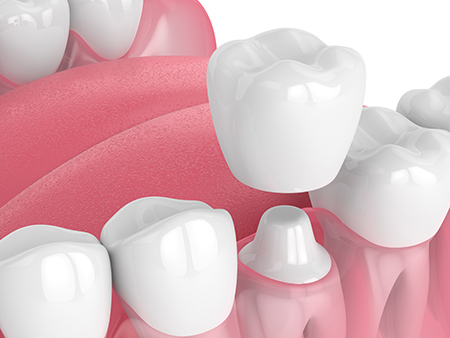
Selecting the optimal ceramic depends on the tooth's location, the forces it must bear, and your aesthetic priorities. For front teeth where translucency and exact shade matching are essential, glass-ceramics such as lithium disilicate provide an attractive balance of beauty and strength. They bond well to tooth structure and can deliver very lifelike results.
For posterior teeth that require maximum strength under heavy occlusal loads, monolithic zirconia offers excellent resistance to fracture. Newer translucent zirconia formulations bridge the gap between strength and appearance, permitting thinner restorations with improved aesthetics. In many cases, a hybrid approach or veneered zirconia can be recommended to meet both functional and cosmetic needs.
Your dentist will evaluate bite dynamics, the amount of remaining tooth structure, and adjacent tooth color before recommending a material. We also consider whether a crown should be bonded for added retention or cemented conventionally. Careful planning ensures the chosen ceramic aligns with long-term function and a natural-looking result.

The treatment journey typically begins with a thorough exam and diagnostic records, which may include digital X-rays and intraoral scanning. These steps let us assess structural needs and plan the restoration precisely. In many cases, digital impressions and computer-aided design help create crowns that fit more accurately and require fewer adjustments at placement.
During the preparation appointment, the tooth is shaped to make room for the crown while preserving as much healthy structure as possible. If needed, a temporary crown protects the tooth while the final restoration is crafted. When the permanent crown is ready, the dentist checks fit, color, and bite before bonding or cementing it in place, making final adjustments to ensure comfortable function.
After placement, proper home care and regular dental checkups are essential to the restoration’s longevity. Brushing with fluoride toothpaste, daily flossing, and routine professional cleanings help maintain gum health around the crown and detect any early signs of wear or recurrent decay. With attentive care, ceramic crowns can provide durable, attractive results for many years.
Our team emphasizes conservative, evidence-based restorations designed to preserve tooth structure while restoring function and aesthetics. We stay current with material science and digital workflows so that the crowns we provide meet contemporary standards for fit, strength, and appearance. Treatment recommendations are rooted in clinical evaluation and tailored to each patient’s priorities.
Communication is a central part of our process. We explain the reasons behind each recommendation, outline the steps of treatment, and discuss aftercare so you know what to expect at every stage. If you have habits like grinding or a complex bite, we consider protective strategies—such as night guards or occlusal adjustments—to safeguard your investment in a long-lasting restoration.
If you would like to learn more about ceramic crowns and whether they’re the right option for your smile, please contact us for more information. Our team is available to answer questions and guide you through the decision-making process so you can move forward with confidence in your care.
Ceramic crowns are full-coverage restorations made from advanced, metal-free materials designed to restore a tooth’s form and function. They encapsulate the visible portion of a damaged or weakened tooth to protect it from further fracture and to restore chewing ability. Dentists typically recommend crowns when a tooth has extensive decay, a large existing filling, a vertical crack, or has been treated with root canal therapy.
Beyond structural protection, ceramic crowns can correct cosmetic issues such as discoloration, misshapen anatomy, or minor misalignment that veneers cannot fully address. Because they cover the entire tooth, crowns provide a predictable way to rebuild teeth that would be too fragile for a simple filling. A clinical exam and diagnostic imaging help determine whether a crown is the most appropriate restoration for a given tooth.
Ceramic crowns differ from veneers in coverage and purpose: veneers bond to the front surface of a tooth to improve appearance, while crowns encase the entire visible tooth to provide structural reinforcement. Veneers are typically reserved for primarily cosmetic corrections on otherwise healthy teeth, whereas crowns are chosen when strength and full restoration are required. Compared with metal or porcelain-fused-to-metal crowns, all-ceramic crowns avoid metal substructures and can offer superior translucency and color matching for a more natural appearance.
Metal-containing restorations can be very strong but may show a dark line at the gum margin over time or be less aesthetic in highly visible areas. All-ceramic systems eliminate that metal interface and reduce the risk of tissue discoloration related to metallic components. The choice between these options depends on factors such as the tooth’s location, occlusal forces, and the aesthetic priorities identified during treatment planning.
Common ceramic materials include glass-ceramics such as lithium disilicate and high-strength zirconia, each offering a different balance of translucency and mechanical strength. Lithium disilicate is prized for its lifelike translucency and strong bonding characteristics, making it a frequent choice for front teeth and single-unit restorations where aesthetics are critical. Zirconia offers exceptional fracture resistance and is often selected for posterior teeth or situations with heavy occlusal forces, with newer translucent formulations improving its appearance.
Clinicians choose a material based on the tooth’s location, the amount of remaining tooth structure, the patient’s bite dynamics, and adjacent tooth color. For some cases a layered or veneered approach is used to combine the strength of zirconia with the surface beauty of a glass-ceramic. A careful intraoral evaluation and discussion of functional and aesthetic goals guide the final material recommendation.
The process generally begins with a comprehensive exam, digital X-rays, and either a digital scan or conventional impressions to capture precise tooth anatomy. During the preparation appointment the tooth is conservatively shaped to create space for the crown while preserving as much healthy structure as possible, and a provisional crown may be placed to protect the tooth while the final restoration is fabricated. Many practices now use computer-aided design and manufacturing to improve the fit and reduce the need for adjustments at placement.
When the final crown is ready, the dentist verifies fit, shade, and occlusion before bonding or cementing it in place and making any fine occlusal adjustments. Post-placement instructions focus on gentle care as the restoration integrates with surrounding tissues and on monitoring for any sensitivity or bite changes. Routine follow-up cleanings and exams allow the team to check the crown’s margins and adjacent tissues periodically to ensure continued health.
Bonding and cementation are two accepted methods for securing a crown, and the choice depends on the ceramic material and clinical situation. Bonding uses adhesive dental resins to create a strong chemical and micromechanical link between the tooth and certain glass-ceramics, enhancing retention and distributing forces across the tooth structure. Conventional cementation relies on dental cements that provide durable retention for restorations that do not require adhesive bonding, such as many types of zirconia crowns.
The dentist will evaluate factors like the amount of remaining enamel, the crown material, and the expected loading conditions before recommending either approach. Proper isolation and preparation of the tooth surface are critical when bonding to ensure a reliable, long-lasting attachment. Each technique has evidence-based indications that the clinical team will discuss during treatment planning.
Ceramic crowns can function reliably for many years when restored under appropriate conditions and cared for properly, though individual longevity varies with several factors. Material selection, the amount of remaining tooth structure, the quality of the fit and margin, and the forces applied during chewing all influence how long a crown will perform. Habits such as grinding or chewing very hard objects, as well as the presence of recurrent decay at the margins, can shorten a restoration’s service life.
Good oral hygiene, regular dental checkups, and addressing parafunctional habits help maximize the lifespan of a crown. Early detection of issues like margin leakage, recurring decay, or opposing wear allows for timely intervention before more extensive treatment is needed. Your dentist will review maintenance strategies tailored to your dental health and occlusal dynamics to protect the restoration over time.
Caring for a ceramic crown is very similar to caring for natural teeth and focuses on plaque control to protect the surrounding gum tissue and tooth margins. Brush twice daily with fluoride toothpaste and floss once daily, taking care to clean along the crown’s margins where plaque and food debris can accumulate. Using interdental brushes or floss threaders can help clean under bridges or around crowns in areas that are more difficult to reach.
Maintaining regular professional cleanings and exams allows your dental team to monitor the crown and surrounding tissues for early signs of wear or decay. If you have habits like grinding, your dentist may recommend a night guard to reduce excessive forces on the restoration. Promptly report any persistent sensitivity, looseness, or changes in bite so the crown can be evaluated and adjusted if needed.
Yes. One of the advantages of all-ceramic crowns is that they are metal-free and therefore suitable for patients with known metal sensitivities or concerns about metallic restorations. Ceramic materials are generally biocompatible and well tolerated by soft tissues, reducing the risk of local irritation that can occasionally occur with metal-containing restorations. Because ceramics do not corrode, they also avoid discoloration or galvanic responses that some patients associate with metallic restorations.
When a history of allergy or sensitivity exists, the dental team will review material properties and select an appropriate ceramic system that meets both functional and biocompatibility needs. Detailed planning and communication about medical history help ensure the chosen restoration aligns with the patient’s overall health considerations. If necessary, additional testing or consultations can be arranged to address specific material concerns.
Ceramic crowns are commonly used to restore individual dental implants as well as to support multi-unit fixed bridges, depending on the treatment design and implant components. On implants, ceramic crowns can be screw-retained or cemented to an abutment, with material selection guided by esthetic demands and access for maintenance. For bridgework, crowns on the abutment teeth or implant-supported abutments provide the support needed to replace one or more missing teeth with a durable prosthesis.
Treatment planning for implant or bridge restorations includes evaluation of occlusion, implant position, and prosthetic connections to ensure predictable function. The restorative team coordinates with the surgical provider when implants are involved to achieve optimal emergence profiles and implant angulation. With careful planning and appropriate materials, ceramic restorations can deliver both natural-looking and functional outcomes for implants and bridges.
The practice combines thorough diagnostic work, digital technologies, and material expertise to achieve precise, esthetic crown restorations for patients. Digital scanning, computer-aided design, and collaboration with experienced dental laboratories help produce crowns with well-fitting margins and lifelike shade matching. Clinical protocols that emphasize conservative tooth preparation and careful try-in allow the team to refine fit and occlusion before final cementation or bonding.
Communication about a patient’s aesthetic goals and functional concerns is part of the planning process, and protective strategies such as night guards are considered when necessary to safeguard the restoration. Follow-up care and regular exams let the team monitor crown performance and address any minor adjustments early, supporting longevity and patient comfort. If you have questions about a specific case, the office team can review records and discuss material options tailored to your needs.