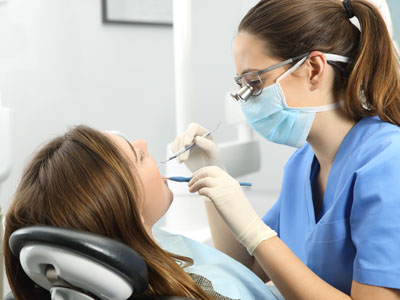
Even the most careful daily brushing and flossing leave behind microscopic plaque and bacteria in places a toothbrush can't reach. Regular professional dental cleanings are the most reliable way to remove these hidden deposits, protect gum health, and preserve your smile over the long term. This page explains what a dental cleaning involves, why it matters, and how our team helps patients maintain strong oral health with predictable, evidence-based preventive care.
Plaque is a soft film made up of bacteria, food particles, and saliva. When plaque is not removed promptly it calcifies into tartar (calculus), which bonds to tooth surfaces and can only be removed by a dental professional. Left unchecked, this buildup contributes to both cavities and periodontal disease — conditions that can progress quietly before symptoms become obvious.
Regular cleanings break the cycle of accumulation. By removing plaque and tartar from above and just below the gumline, a hygienist reduces inflammation, lowers bacterial load, and helps gums reattach to healthy levels. That proactive approach reduces the likelihood of needing more invasive treatments later on.
Beyond preventing disease, professional cleanings give patients and clinicians a chance to monitor changes over time. Tightening pockets, bleeding on probing, and other subtle signs can be caught early and managed conservatively, keeping small issues from turning into extensive problems.
A typical cleaning begins with a focused assessment of your gums and teeth. The hygienist will check for visible plaque and tartar, measure pocket depths where appropriate, and note any areas of sensitivity or concern. This initial evaluation helps guide a customized cleaning plan for each visit.
Removing deposits may involve a combination of ultrasonic scaling and hand instruments. Ultrasonic scalers use gentle vibrations and a controlled water spray to dislodge heavier buildup quickly, while hand scaling allows precise removal in tight spaces and along root surfaces. Together these methods create a thorough, efficient cleaning experience.
After scaling, the hygienist will polish your teeth to smooth enamel and remove superficial stains, then floss interproximally to clear debris from between teeth. Throughout the appointment, clinicians watch for signs of enamel wear, recession, or other issues and will communicate findings and recommendations in clear, patient-friendly terms.
Gum disease begins as gingivitis — inflammation of the gum tissue that is both reversible and often symptomless. Professional cleanings remove the bacterial irritants that cause this inflammation, allowing tissues to heal and regain normal color and firmness. Early intervention is key: when gingivitis is treated promptly, patients can usually avoid progression to periodontitis.
For patients with established periodontal disease, cleanings become part of a coordinated maintenance program. More frequent visits and targeted deep-cleaning techniques can control bacterial levels and protect the supporting bone and connective tissue that keep teeth stable. These steps focus on managing disease activity and preserving function.
Cleanings also contribute to systemic health. Research links untreated oral inflammation to broader health concerns, and maintaining a healthy oral environment is an important part of overall preventive care. Our clinical team emphasizes this connection while recommending an individualized schedule for follow-up visits.
We strive to make cleanings predictable and comfortable. If you experience tooth sensitivity or anxiety, let the team know — there are gentle strategies available, from shorter appointment segments to topical desensitizing agents, that can improve your experience. Clear communication about any discomfort allows clinicians to adapt techniques in real time.
Preparation is simple: arrive having brushed and flossed if possible, and bring a list of current medications or health changes so the dental team can consider those factors. If you have a history of gum disease, implants, or restorative work, expect clinicians to spend a little extra time in those areas to ensure they remain healthy and well-maintained.
After your cleaning, the hygienist will review personalized home-care tips tailored to your mouth — effective brushing patterns, interdental cleaning recommendations, and dietary considerations that support oral health. Small adjustments in daily routine often produce measurable improvements between visits.
Most patients benefit from semiannual cleanings, but individual needs vary. Patients with a history of periodontal disease, compromised immunity, smoking, or certain systemic conditions may require more frequent maintenance. The dental team will base recall intervals on clinical findings and evidence-based guidelines to optimize outcomes.
If the hygienist detects areas that need additional attention — such as persistent deep pockets, rapid buildup, or unresolved inflammation — your dentist will discuss next steps. These might include targeted periodontal therapy, adjunctive antimicrobial measures, or closer monitoring to ensure stability.
Emphasizing proactive care helps avoid cycles of reactive treatment. By viewing cleanings as an ongoing partnership between patient and clinician, the team aims to maintain oral health, function, and appearance with as little intervention as necessary.
At Premier Dentistry, our approach to dental cleanings combines clinical precision with practical guidance so patients leave appointments empowered to protect their smiles. If you have questions about what to expect at your next cleaning or whether your oral health plan should be adjusted, please contact us for more information.
A dental cleaning is a professional preventive appointment in which a licensed hygienist or dentist removes plaque and tartar from tooth surfaces and just below the gumline. This process typically combines ultrasonic scaling and hand instruments to dislodge hardened deposits and reduce the bacterial load that causes inflammation. Regular cleanings protect enamel, help prevent cavities, and support healthy gum tissue.
Cleanings also give clinicians the opportunity to evaluate oral health and catch early signs of problems before they require more invasive care. Measurements of pocket depths, visual inspection, and discussion of symptoms help guide personalized preventive plans. Patients who attend routine appointments generally experience more stable oral health and fewer restorative procedures over time.
Most patients benefit from cleanings every six months because this interval prevents the steady accumulation of plaque and tartar that leads to disease. Individual needs vary based on factors such as a history of periodontal disease, smoking, immune status, and systemic health conditions. Your dental team will recommend a recall schedule that balances prevention with your personal risk factors.
Some people require more frequent maintenance visits, such as three- or four-month intervals, to control inflammation and bacterial levels. Decisions about frequency are guided by clinical findings, documented changes over time, and evidence-based protocols. Following the recommended schedule helps avoid progression of disease and preserves long-term function.
A modern cleaning starts with an assessment of your gums and teeth, including pocket measurements, visual checks for plaque and tartar, and notes about sensitivity or restorative work. Ultrasonic scaling is often used to break up heavier deposits while hand instruments refine the removal in tight areas and along root surfaces. This combination allows for efficient, thorough cleaning with minimal discomfort.
After scaling, the hygienist polishes the teeth to smooth enamel and remove superficial stains, then flosses between teeth to clear remaining debris. Clinicians will also inspect for enamel wear, recession, or other conditions and discuss any findings in clear, patient-friendly terms. Finally, the team provides tailored home-care recommendations to maintain gains between visits.
Most cleanings are well tolerated, but sensitivity or anxiety can make the experience uncomfortable for some patients. Communicating concerns beforehand lets the hygienist adapt techniques, use topical desensitizing agents, or break the appointment into shorter segments. Simple measures like timed breathing, distraction, and gradual desensitization also improve comfort during routine care.
At Premier Dentistry, clinicians prioritize a gentle approach and will discuss personalized strategies, including the use of numbing gel or scheduling adjustments when appropriate. If you have heightened sensitivity or a strong gag reflex, the team can tailor the appointment to minimize discomfort while achieving thorough cleaning. Open dialogue before and during the visit is the most effective way to ensure a positive experience.
Cleanings remove the bacterial biofilm and mineralized tartar that drive gingival inflammation and enamel demineralization. By reducing bacterial load and allowing inflamed tissues to heal, cleanings can reverse early gingivitis and slow or halt disease progression. Removing deposits above and below the gumline disrupts the environment that supports pathogenic bacteria and reduces risk.
Regular professional care also allows for early detection of changes such as bleeding, pocket deepening, or enamel defects that signal the need for targeted treatment. When combined with effective home care, routine cleanings form the cornerstone of long-term disease prevention. This proactive approach helps maintain function, appearance, and the supporting bone that keeps teeth stable.
A regular cleaning, often called prophylaxis, focuses on removing plaque and tartar from visible tooth surfaces and just below the gumline for patients with healthy or mildly inflamed gums. A deep cleaning, sometimes referred to as scaling and root planing, treats established periodontal pockets by removing deposits from root surfaces and smoothing rough areas to promote reattachment. The techniques, time involved, and recall schedule differ based on the extent of disease.
Deep cleanings may be completed over multiple visits and are often followed by a periodontal maintenance program to control infection and preserve supporting tissues. Clinicians may recommend adjunctive measures, such as localized antimicrobials or more frequent monitoring, to optimize outcomes. Treatment decisions are based on clinical measurements and a conservative, evidence-based plan to restore oral health.
Preparation is simple: brush and floss before arriving if possible, and bring an updated list of medications or recent health changes for the dental team to review. Notify the office about any new implants, restorations, or persistent sensitivity so clinicians can allocate extra time to those areas. Arriving a few minutes early helps complete any necessary paperwork and allows the team to address questions.
Avoid heavy eating right before the appointment to reduce nausea or sensitivity during cleaning, and communicate any anxiety or special needs when scheduling. If you take medications that affect bleeding or immunity, mention them during your visit so the team can consider appropriate clinical modifications. Clear communication supports an efficient, comfortable, and safe appointment tailored to your medical history.
There is growing evidence linking oral inflammation to systemic conditions, and maintaining a healthy oral environment can reduce chronic inflammatory burden. Treating periodontal inflammation and controlling oral infection contribute to overall wellness by lowering persistent bacterial exposure and inflammatory markers. While cleanings are not a cure for systemic disease, they are an important part of preventive health care.
Dental clinicians coordinate with medical providers when oral findings have implications for broader health, such as uncontrolled diabetes or cardiovascular concerns. Regular dental visits provide opportunities to identify early oral manifestations of systemic disease and recommend timely referrals. Maintaining consistent preventive care supports both oral and general health across the lifespan.
Cleanings for patients with implants, crowns, or orthodontic appliances require targeted techniques to protect restorations and control plaque in hard-to-reach areas. Clinicians use specialized instruments and methods to avoid scratching implant surfaces or damaging restorative margins while effectively removing biofilm. For patients with braces, interdental cleaning and careful scaling around brackets are emphasized to prevent decalcification and gum inflammation.
The hygienist documents the condition of implants and restorations and coordinates with the dentist if any adjustments or repairs are needed. Patients receive specific home-care instructions tailored to their appliances, such as interdental brushes, water flossers, or floss threaders. Tailoring the cleaning and maintenance plan preserves both natural teeth and restorative work over time.
The dental team personalizes recall intervals and home-care advice by combining clinical measurements, risk factors, and the patient's oral hygiene performance. Factors such as pocket depths, bleeding on probing, medical history, and lifestyle habits guide the development of a tailored plan. This individualized approach ensures that visits and recommendations are efficient, evidence-based, and focused on long-term stability.
At Premier Dentistry, clinicians review exam findings with patients and provide clear, actionable steps for home care, including technique adjustments and product suggestions when appropriate. Follow-up scheduling is based on documented needs rather than a one-size-fits-all timetable, and the team reassesses progress at each visit. This collaborative model empowers patients to maintain oral health between appointments and reduces the likelihood of disease progression.