At the office of Premier Dentistry, our priority is to protect your oral health while preserving as many natural teeth as possible. Still, there are situations when removing a tooth is the safest, most effective route to prevent further damage and preserve surrounding structures. We approach extractions thoughtfully, explaining the reasons and the steps involved so you feel informed and comfortable every step of the way.
Deciding on an extraction is never taken lightly. We consider the tooth’s condition, the health of the surrounding gum and bone, future restorative plans, and your overall medical history. Our goal is always to balance immediate needs with long-term oral function and appearance.
When an extraction is recommended, it’s typically because keeping the tooth would pose a risk to your comfort or to the health of adjacent teeth. Below are common scenarios that lead to a recommendation for removal — each one is evaluated carefully so that the treatment plan matches your long-term oral health goals.
Persistently retained primary (baby) teeth
Sometimes a child’s primary tooth does not loosen as the permanent tooth develops beneath it. If the baby tooth becomes ankylosed (fused to the bone) or fails to resorb properly, it can block the eruption of the adult tooth and disrupt bite development. In those cases, removal is often the prudent choice to allow normal growth and alignment.
Severe decay with little remaining tooth structure
Tooth decay begins on the surface but can progress inward if untreated. When a tooth has been compromised to the point that restorative options (fillings or crowns) cannot reliably restore function and prevent infection, extraction protects your health and prevents further complications.
Extensive fractures or irreparable cracks
Teeth that are fractured through the root or have structural damage beyond repair may cause ongoing pain or infection. In those circumstances, removing the tooth is often safer than attempting a restoration that would likely fail.
Advanced periodontal disease
When gum disease has destroyed the supportive tissues and bone around a tooth, it may become mobile or a source of infection. Extracting such a tooth can halt disease progression and make it easier to restore oral health with targeted periodontal care.
Problematic wisdom teeth
Third molars often have limited room to erupt and can become impacted, decay-prone, or harmful to adjacent teeth. Removing these teeth before they cause damage is a common recommendation when they compromise function, hygiene, or comfort.
Space management for orthodontics
Occasionally, removing one or more teeth is part of an orthodontic plan to correct crowding and create a balanced bite. When coordinated with an orthodontist, extractions can help achieve predictable alignment and better long-term results.
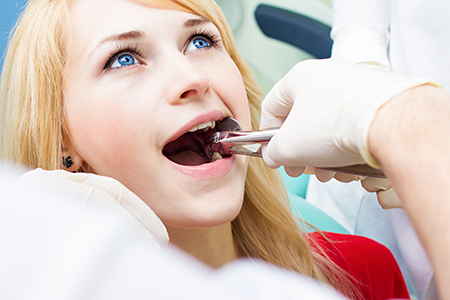
Before any procedure, we conduct a thorough assessment to determine the safest, most effective approach. That review includes a discussion of your medical history, current medications, and any conditions that could influence healing. We’ll also cover anesthesia options and answer questions about what to expect during treatment.
Diagnostic imaging, such as digital radiographs, helps us visualize root anatomy, the relationship to adjacent teeth, and the surrounding bone. This information guides whether a straightforward extraction is likely or if a surgical approach will be necessary. Clear communication about these factors helps you make an informed decision.
Some patients require medical clearance or pre-procedure precautions — for example, those on certain heart or bleeding medications. If so, we coordinate with your physician to create a safe plan. When anxiety or complex conditions are a concern, we offer options to enhance comfort, including various forms of sedation appropriate to your needs.
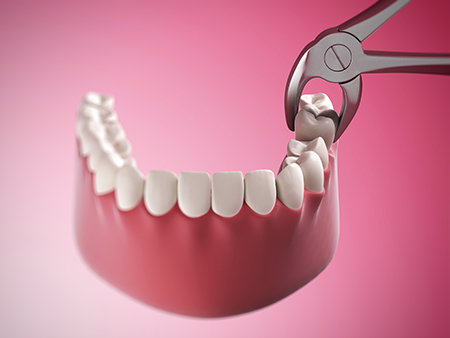
Simple extractions are performed when the tooth is fully visible and the root anatomy is straightforward. After numbing the area with local anesthesia, the tooth is loosened with specialized instruments and removed. The procedure is typically brief, and most patients experience minimal discomfort afterward when following the recommended aftercare steps.
Surgical extractions are required when a tooth is broken below the gum line, ankylosed, or impacted. In these cases, a small incision may be made and a bit of bone gently removed to gain access. Surgical extractions may also be referred to an oral and maxillofacial surgeon when the complexity or anatomy suggests that specialist care will deliver the best outcome.
Healing is a gradual process, and following post-operative guidance helps prevent complications and speeds recovery. After the procedure, a protective blood clot forms in the socket; preserving that clot is essential to normal healing. We’ll give you clear instructions about activity restrictions, oral care, and medications tailored to the type of extraction you had.
Discomfort and mild swelling are normal in the first 48–72 hours. Managing these symptoms proactively with prescribed or recommended over-the-counter medications, and applying intermittent cold packs to reduce swelling, usually keeps symptoms manageable. Rest and hydration also support the body’s natural healing response.
It’s important to avoid actions that could dislodge the clot — for example, spitting forcefully, using a straw, or vigorous rinsing during the first day or two. We’ll advise on a timeline for resuming routine brushing around the area and when to begin gentle saline rinses to keep the socket clean without disturbing healing tissue.
Control bleeding with firm gauze
Bite gently but steadily on the provided gauze to maintain pressure over the socket. Change the gauze as directed, and if bleeding persists, continue to apply pressure and notify us for guidance.
Protect numb tissues
Until sensation returns, avoid chewing on or touching the lip, cheek, or tongue near the extraction site to prevent accidental injury.
Take medications as directed
If antibiotics or analgesics are prescribed, follow the instructions carefully. Starting a pain reliever before numbness completely subsides can help prevent a spike in discomfort.
Protect the clot for healing
Avoid rinsing vigorously, spitting, or sucking on a straw for at least 24 hours. These actions can dislodge the clot and delay healing.
Use cold therapy for swelling
Apply an ice pack to the outside of the face in short intervals (10–15 minutes on, 10–15 minutes off) during the first 24 hours as needed to minimize swelling.
Avoid smoking and tobacco
Tobacco use interferes with clot formation and immune response and significantly increases the risk of delayed healing or complications. Refrain for at least a week or as advised.
Choose soft, cool foods initially
Stick to liquids and soft foods for the first day or two, and avoid hot, spicy, or carbonated beverages until comfort allows.
Maintain gentle oral hygiene
Brush other teeth as usual but be gentle near the extraction site. After 24 hours, rinsing gently with a warm saltwater solution can help keep the area clean without disturbing the healing tissue.
Attend follow-up care
If sutures were placed or if we need to monitor healing more closely, keep your scheduled follow-up appointment so we can ensure the site is progressing as expected.
If you notice prolonged or heavy bleeding, increasing pain, persistent swelling after the expected timeframe, a bad taste or odor, or other concerning symptoms, contact our office so we can assess and advise next steps.

Most recoveries proceed without issue, but it helps to be aware of signs that warrant prompt attention. Increasing pain after the first few days, a foul taste in the mouth, unusual swelling, fever, or persistent bleeding may indicate an infection or a condition such as a dry socket that requires professional care.
If you experience any of these symptoms, don’t hesitate to contact us. Timely evaluation allows us to address complications early — whether that means providing targeted pain control, prescribing antibiotics, or offering interventions to support healing.
We also coordinate with medical specialists when needed, for instance if systemic health issues affect your recovery. Our focus is on resolving problems quickly so you can return to normal function and comfort with confidence.
We aim to combine technical expertise with compassionate care. From a careful diagnostic workup to thoughtful pain management and clear aftercare instructions, our team focuses on predictable outcomes and patient comfort. When a tooth requires removal, we prioritize conservative decision-making and a clear plan for what comes next.
When replacement is appropriate, we review options such as dentures, fixed bridges, and dental implants so you understand the pros and cons of each approach and how they fit into your overall treatment goals. Our treatment recommendations emphasize durability, function, and a natural appearance.
If you have questions about extractions or want to discuss your specific situation, please contact us for more information. Our team is here to guide you through the process and help you make confident, well-informed choices about your oral health.
At the office of Premier Dentistry we prioritize preserving natural teeth, but extraction becomes necessary when a tooth threatens your overall oral health. Common reasons include severe decay that prevents a reliable restoration, extensive fractures, advanced periodontal disease, and impacted or problematic wisdom teeth. Each case is evaluated carefully so the decision balances immediate needs with long-term function and appearance.
We also consider factors such as persistent primary teeth that block eruption, teeth that interfere with orthodontic treatment, and situations where infection or pain cannot be controlled conservatively. Your medical history, the condition of surrounding gum and bone, and future restorative plans all influence the recommendation. The goal is always to choose the option that best protects adjacent teeth and overall oral health.
A thorough evaluation combines a clinical exam with diagnostic imaging and a review of medical history and medications. Digital radiographs reveal root anatomy, bone levels, and the relationship to adjacent structures, which helps determine whether a simple or surgical approach is required. We also assess the tooth's restorability and how removing or keeping it will affect bite, function, and long-term treatment planning.
When systemic health or certain medications could affect healing, we coordinate with your physician to create a safe plan before proceeding. In cases involving orthodontics or implants, we collaborate with specialists to ensure extractions fit the broader treatment goals. Clear communication about risks, alternatives, and expected outcomes helps you make an informed decision.
A simple extraction is performed on a tooth that is fully visible in the mouth and has straightforward root anatomy. After numbing the area with local anesthesia, the tooth is loosened with elevators and removed with forceps; healing is typically uncomplicated when post-operative instructions are followed. Most simple extractions are brief and require only local anesthesia for pain control.
Surgical extractions are necessary when a tooth is broken below the gum line, impacted, ankylosed, or when root anatomy or surrounding bone makes removal more complex. This process may involve a small incision, removal of a portion of bone, and suturing to aid healing, and it sometimes requires referral to an oral and maxillofacial surgeon. Surgical procedures are planned carefully using imaging so the most predictable and safe technique is used.
Local anesthesia is used in nearly all extractions to eliminate pain in the treatment area, and many patients also benefit from adjunctive options to reduce anxiety. Common choices include nitrous oxide for mild-to-moderate anxiety, oral sedatives for deeper relaxation, and monitored intravenous sedation when complex care or significant anxiety requires it. The selection depends on the procedure's complexity, your health history, and your comfort preferences.
We review the risks and benefits of each option and provide specific pre- and post-procedure instructions when sedation is planned, including fasting and transportation arrangements. Appropriate monitoring and recovery protocols are in place to ensure safety and a smooth return to baseline. Discussing your concerns and prior experiences with sedation helps us tailor the approach to your needs.
Preparation begins with a complete review of your medical history and current medications so we can identify any factors that affect healing or bleeding. Patients taking anticoagulants, certain cardiac medications, or immunosuppressive drugs may need medical clearance or special instructions from their physician prior to the procedure. Sharing a full list of medications, supplements, and relevant medical conditions helps us plan safely.
If you will receive sedation, follow fasting guidelines and arrange for a responsible adult to drive you home and stay with you as recommended. Wear comfortable clothing and bring any documentation requested by the office, and arrive with questions you want addressed during the consultation. Proper planning reduces stress and helps ensure the procedure proceeds smoothly.
On the day of the extraction you will be greeted and asked to confirm your medical history and consent for the procedure, and the team will review anesthesia or sedation plans. Local anesthesia is administered to numb the area, and you may be given sedation according to the agreed plan to promote relaxation during treatment. The extraction itself can range from a few minutes for a straightforward tooth to longer for a surgical case that requires bone removal or sutures.
After the tooth is removed you will bite on gauze to help form a protective clot and receive verbal and written aftercare instructions. The team will explain pain management, signs to monitor during healing, and any prescribed medications or follow-up appointments needed. Clear instructions and a calm recovery environment support uncomplicated healing.
The first priority after an extraction is protecting the blood clot that forms in the socket, since that clot is essential for normal healing and pain avoidance. Control bleeding by biting gently on gauze, manage discomfort with recommended analgesics, and minimize swelling with intermittent cold packs during the first 24 hours. Rest, hydration, and light activity support the body's healing response during the initial recovery period.
Avoid actions that could dislodge the clot, such as spitting forcefully, using a straw, or vigorous rinsing for the first day or two, and refrain from smoking because tobacco impairs healing. Resume gentle oral hygiene while avoiding direct brushing of the surgical site until directed, and begin warm saline rinses as recommended to keep the area clean without disturbing healing tissue. Attend any scheduled follow-up appointments so the clinician can confirm proper progress and remove sutures if needed.
A dry socket, or alveolar osteitis, occurs when the protective blood clot in the extraction site is dislodged or fails to form, exposing underlying bone and nerve endings. This condition typically develops two to three days after extraction and causes throbbing pain that can radiate to the ear or temple, along with a bad taste or odor. Certain risk factors, such as smoking, poor oral hygiene, and difficult extractions, increase the likelihood of a dry socket.
Treatment focuses on pain control and protecting the socket while healing proceeds; this often includes gentle cleaning of the site and placement of a medicated dressing to soothe the exposed tissues. We may recommend specific analgesics and provide instructions for home care to support recovery. With appropriate treatment the discomfort usually subsides and the socket heals over a short period of time.
Contact the office promptly if you experience heavy or prolonged bleeding, increasing pain after the first few days, persistent or worsening swelling, fever, or any signs of infection such as a foul taste or odor that do not improve. Numbness that persists beyond the expected timeframe, difficulty breathing or swallowing, or an inability to control bleeding with pressure are also reasons to seek immediate attention. Early evaluation helps the team address complications before they become more serious.
If you notice concerning symptoms or have questions about your recovery, contact Premier Dentistry so we can assess the situation, recommend appropriate treatment, and arrange any necessary follow-up care. Timely communication allows for targeted interventions such as prescribing antibiotics, adjusting pain management, or seeing you for an urgent visit. Coordinated care reduces the risk of prolonged discomfort and supports a predictable recovery.
When a tooth is removed, several replacement options exist to restore function and appearance, including dental implants, fixed bridges, and removable partial or full dentures. Dental implants offer a long-term solution that preserves jawbone by stimulating bone health, while bridges can provide a fixed restoration when adjacent teeth are suitable supports. Removable dentures are a versatile option for replacing multiple teeth and restoring chewing ability and aesthetics.
Timing and selection of the best replacement depend on your overall oral health, bone volume, and personal goals, and may involve bone grafting to prepare the site for implants. We discuss the pros and cons of each option and coordinate care with specialists as needed to develop a tailored restorative plan. Thoughtful planning after extraction helps achieve durable function and a natural appearance.