Tooth loss affects more than just your smile — it changes how you eat, speak, and how your jaw ages over time. Modern dental implants are designed to address those functional and structural consequences by replacing not only the visible crown but also the underlying support that keeps bone and soft tissues healthy. When planned and placed thoughtfully, implants become a long-term foundation that helps preserve facial contours and restores the confidence people expect from a healthy smile.
Implant therapy has evolved into a predictable, evidence-based branch of dentistry. Advances in materials, imaging, and guided surgery mean that many patients who once had limited options can now benefit from solutions that feel and perform like natural teeth. Careful assessment and individualized planning are central to achieving reliable outcomes and minimizing surprises during treatment.
At the office of Premier Dentistry, we emphasize restorative choices that balance appearance, comfort, and long-term oral health. Rather than offering one-size-fits-all answers, our approach matches clinical goals with a patient’s lifestyle and expectations. For many people, that means choosing an implant-based plan that replaces missing teeth while protecting neighboring natural teeth and the jawbone that supports them.
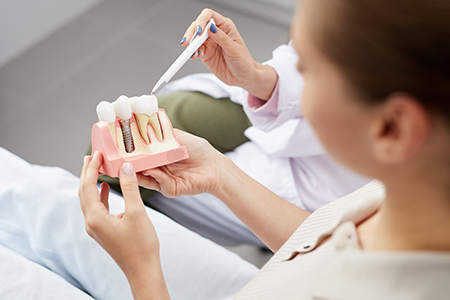
Dental implants replicate a tooth’s root structure with a small, biocompatible post that integrates with the jawbone. This internal support allows restorations — crowns, bridges, or overdentures — to behave more like natural teeth in both feel and performance. Because implants transfer chewing forces to the bone, they help maintain healthy bone volume and reduce the gradual collapse of facial support that can accompany tooth loss.
Beyond mechanical advantages, implants allow precise placement of final restorations so that they align with your bite and facial proportions. The result is a restoration that is comfortable, discreet, and durable when combined with appropriate hygiene and routine professional care.
Implants are made from materials such as titanium or titanium alloys, chosen for their ability to integrate with living bone. Following placement, a process called osseointegration occurs: bone cells grow directly onto the implant surface, forming a stable union that can support chewing forces. This biological connection is what sets implants apart from removable options and contributes to their long-term success.
Many patients value implants because they restore normal chewing, speech, and the freedom to enjoy a varied diet. Implants also remove the need to alter healthy adjacent teeth when replacing a single missing tooth — a significant advantage when preserving natural tooth structure is a priority. Over time, the preservation of bone helps protect facial appearance and reduces the risk of further tooth movement.
Clinical studies and long-term follow-up demonstrate that, with careful planning and routine maintenance, implant-supported restorations can provide years of dependable service. Their versatility allows clinicians to design solutions that range from single-tooth replacements to complex full-arch reconstructions, adapting to each patient’s anatomy and expectations.
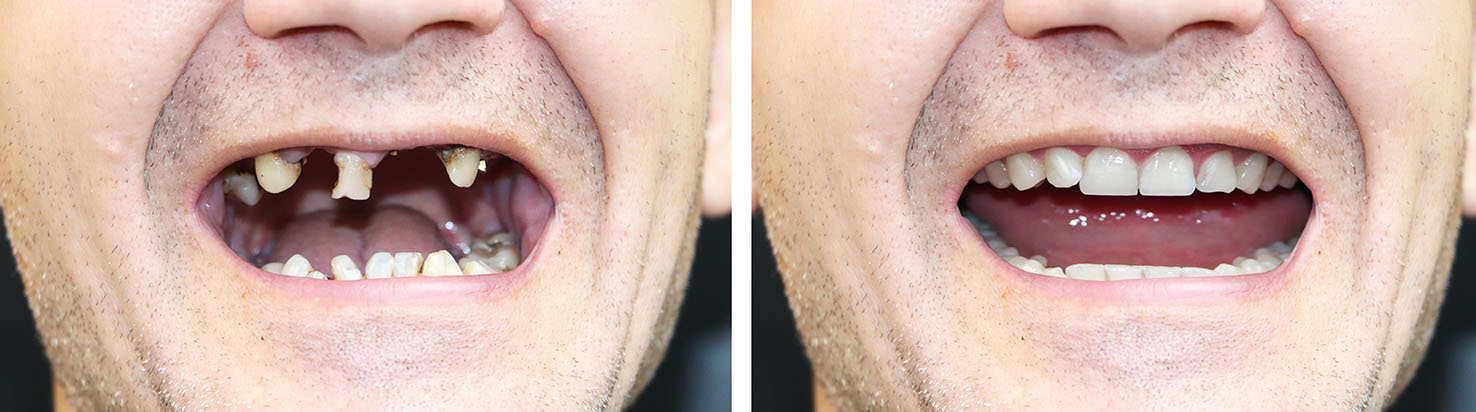
No two patients present the same priorities, and implant care reflects that reality. Treatment can be conservative and limited to replacing a single tooth, or it can be comprehensive, restoring an entire arch when multiple teeth are missing. Planning takes into account bone volume, bite relationships, aesthetic goals, and the patient’s overall health.
Digital tools — including three-dimensional imaging and computer-assisted planning — allow clinicians to visualize anatomy before surgery and determine the optimal size and position of implants. This level of planning improves precision, reduces intraoperative surprises, and often accelerates the path to provisional restorations when appropriate.
When restorative and surgical teams collaborate from the beginning, patients benefit from smoother workflows and a clear expectation of timing and outcomes. That interdisciplinary approach is especially helpful for complex cases requiring grafting, sinus elevation, or coordinated prosthetic design.
Candidacy depends on several factors, including general health, oral conditions, and the amount of supporting bone. Many patients who previously thought they were not candidates can now be treated thanks to modern grafting techniques and alternative implant designs. A comprehensive evaluation includes a medical and dental history review, clinical examination, and 3D imaging when necessary.
Key considerations include the control of periodontal disease, smoking status, and the presence of chronic conditions that may affect healing. During your consultation, clinicians will discuss how any medical issues intersect with implant therapy and outline steps that can optimize your outcome.
Successful implant care begins with careful planning. Digital imaging, study models, and treatment simulations let the team determine the ideal implant position and prosthetic design before any surgery is scheduled. When necessary, preliminary procedures — such as extractions, bone grafting, or sinus augmentation — create the foundation for implant placement.
Implants are typically placed in a brief outpatient procedure. After placement, a healing period allows the implant to integrate with the bone; the length of that period varies based on the site and the clinical protocol. Some cases qualify for immediate provisional restorations, while others benefit from a staged approach that waits for full healing before attaching the final prosthesis.
Throughout treatment you’ll receive clear guidance on anesthesia options, post-operative care, and what to expect during healing. Regular follow-up visits ensure that the restoration is performing well and that maintenance needs are addressed proactively.
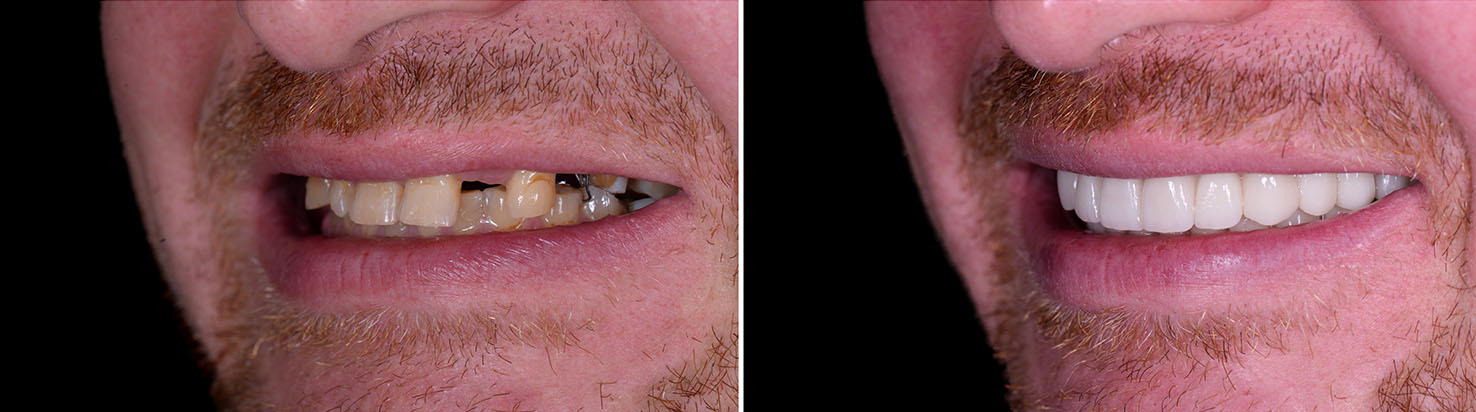
Long-term implant success depends on a stable foundation of bone. If bone volume has diminished due to disease, trauma, or long-standing tooth loss, grafting procedures can restore width or height to support an implant. Grafts may use a variety of materials and techniques tailored to the clinical situation.
Bone grafting is a common adjunct to implant therapy and is performed when necessary to achieve optimal implant placement and long-term stability. Your clinician will explain the rationale, the anticipated healing timeline, and how grafting fits into the overall treatment sequence.
Dental implants provide a reliable way to replace missing teeth while protecting oral health and restoring function. Whether you need a single tooth or a comprehensive restoration, contemporary implant therapy offers flexible solutions that prioritize durability, comfort, and natural appearance.
If you would like to learn more about implant dentistry or discuss which options might be appropriate for you, please contact us for more information. Our team at Premier Dentistry will be glad to answer your questions and help you schedule an evaluation so we can recommend the approach that best meets your goals.
Dental implants are small, biocompatible posts, typically made of titanium or titanium alloy, that are placed into the jaw to replace missing tooth roots. Once an implant integrates with the surrounding bone through a process called osseointegration, it provides a stable foundation for a crown, bridge, or denture. This root-like support restores chewing forces to the bone, which helps preserve jaw volume and facial contours.
Final restorations attach to the implant and are shaped to match adjacent teeth for natural appearance and function. Because implants do not rely on neighboring teeth for support, they often preserve healthy tooth structure that would otherwise be altered for a traditional bridge. With good hygiene and regular professional care, implant-supported restorations can behave and feel much like natural teeth in everyday life.
Good candidates are typically adults in generally good health who have sufficient bone to support an implant or who are willing to undergo bone augmentation when necessary. A comprehensive evaluation includes a review of medical and dental history, an examination of the mouth, and three-dimensional imaging to assess bone volume and anatomy. Factors such as active periodontal disease, uncontrolled systemic conditions, or habits like heavy tobacco use can affect candidacy and are discussed during assessment.
Many patients who once thought they were not candidates can now be treated thanks to modern grafting techniques and alternative implant designs. The practice evaluates each case individually, considering bite relationships, aesthetic goals, and overall health to determine an appropriate, evidence-based plan. When medical considerations are present, the treatment team will coordinate with the patient’s physicians to optimize outcomes and healing.
Treatment begins with a detailed consultation in which clinicians gather medical and dental history, perform an oral exam, and obtain 3D imaging to plan implant placement precisely. Digital planning and guided surgical techniques let the team select the optimal implant size and position while envisioning the final prosthetic outcome. When necessary, preliminary procedures such as extractions, bone grafting, or sinus augmentation are completed first to create a stable foundation.
The surgical placement of implants is typically performed as an outpatient procedure with local anesthesia and, if requested, sedation options. After placement there is a healing period during which the implant integrates with the bone; some cases qualify for immediate provisional restorations while others follow a staged approach that waits for full healing before attaching the final prosthesis. Throughout treatment you will receive specific instructions on anesthesia choices, post‑operative care, and follow-up visits to monitor integration and restoration fit.
Initial healing from implant surgery usually takes a few days to a couple of weeks, during which most patients experience manageable swelling and mild discomfort controlled with recommended medications and careful home care. The biological process of osseointegration, where bone bonds to the implant surface, typically occurs over several months and is essential for long-term stability. The exact timeline depends on the implant site, bone quality, and whether adjunctive procedures like grafting were performed.
During recovery you will be given instructions on oral hygiene, diet modifications, and activity limitations to support healing. Regular follow-up appointments allow the clinical team to evaluate tissue response and readiness for the next restorative phase. If provisional teeth are placed, they are designed to protect the surgical site while allowing you to maintain function and appearance during healing.
Bone grafting rebuilds lost bone volume and contours to create a stable foundation for implant placement when natural bone has diminished due to tooth loss, disease, or trauma. Grafts can add width or height to the jaw and may be performed before, during, or after implant placement depending on the clinical situation. A range of graft materials and techniques are available, and the chosen approach is tailored to the patient’s anatomy and treatment goals.
When grafting is necessary, clinicians explain the expected healing timeline and how grafting fits into the overall sequence of care. Successful grafting improves implant positioning options and long-term predictability by restoring bone support for both the implant and surrounding soft tissues. As with all phases of implant therapy, careful planning and postoperative monitoring are key to achieving a stable, functional result.
Implant-supported restorations range from single crowns that replace one tooth to fixed bridges, multi-implant full-arch reconstructions, and implant-retained removable dentures. Single-tooth implants preserve neighboring natural teeth by avoiding the need to alter them for support, while implant-supported bridges and full-arch prostheses can restore extensive tooth loss with strong, stable results. Implant-retained overdentures offer improved retention for removable prostheses while allowing easy removal for cleaning.
The restoration type selected depends on the number and location of missing teeth, bone availability, aesthetic needs, and patient preferences. Digital planning helps the team visualize the final prosthesis and determine the ideal number and placement of implants to support it. Patients are presented with conservative and comprehensive solutions so the chosen restoration aligns with their functional and lifestyle goals.
Maintaining implants requires the same daily oral hygiene practices recommended for natural teeth: thorough brushing, interdental cleaning, and regular use of any adjuncts your clinician recommends. Professional maintenance visits are essential to monitor tissue health, check for signs of inflammation, and perform targeted cleanings around implant components. Good plaque control and routine exams reduce the risk of peri-implant inflammation and help preserve both soft tissue and bone support.
Specific maintenance protocols vary with the type of restoration, so your dental team will provide personalized instructions for cleaning crowns, bridges, or implant-retained dentures. Lifestyle factors such as tobacco use and uncontrolled systemic conditions can influence implant health, and addressing these factors improves long-term outcomes. Early detection of any changes during follow-up visits enables timely intervention and helps protect your investment in oral health.
While dental implants have a high success rate, potential risks include surgical complications, infection, inadequate integration, or damage to adjacent structures such as nerves or sinus cavities. Peri-implant mucositis and peri-implantitis are inflammatory conditions that can affect the tissues around implants if plaque control is insufficient. Smoking, uncontrolled systemic diseases, and poor oral hygiene increase the likelihood of complications and are addressed during treatment planning.
Most issues can be minimized through careful case selection, precise surgical technique, and consistent postoperative care. The practice discusses potential risks, signs to watch for, and management strategies before treatment so patients have realistic expectations. If complications arise, prompt evaluation allows the team to recommend appropriate corrective measures to protect oral health and function.
Dental implants are designed as a long-term tooth replacement option and can provide many years of reliable service when placed and maintained properly. Success depends on factors such as bone quality, surgical precision, restoration design, patient hygiene, and ongoing professional maintenance. The biological integration of implant and bone is central to durability, and predictable outcomes are achieved when clinical protocols and patient cooperation align.
Behaviors like tobacco use, inadequate oral hygiene, and poorly controlled systemic conditions can negatively impact longevity, while routine exams and targeted care support lasting results. The office emphasizes evidence-based planning and individualized maintenance to maximize the life span of implant-supported restorations. When concerns arise, timely intervention helps preserve both the implant and the surrounding tissues.
Digital tools such as three-dimensional imaging, virtual treatment planning, and guided surgical templates allow clinicians to evaluate anatomy precisely and plan implant position with high accuracy. This preoperative visualization reduces intraoperative surprises, helps avoid critical structures, and supports prosthetically driven implant placement so the final restoration aligns with function and aesthetics. In complex cases, interdisciplinary collaboration aided by digital workflows improves predictability and streamlines care.
Guided techniques can shorten surgical time, enhance patient comfort, and in some cases allow for immediate provisional restorations when clinically appropriate. Digital records also support clearer communication with laboratory partners to fabricate well-fitting prostheses. By integrating advanced imaging and planning into the treatment pathway, the practice delivers more consistent, patient-focused implant care.