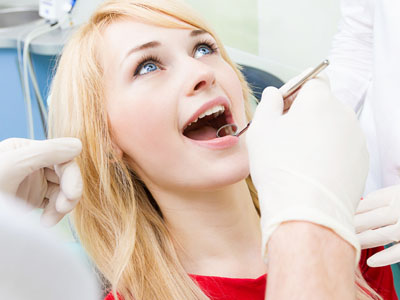
At the office of Premier Dentistry, we take a proactive approach to oral health: regular examinations give us the best chance to keep your smile healthy and comfortable over the long term. Routine oral exams are more than a quick look inside the mouth — they are an opportunity for our team to evaluate function, screen for early signs of disease, and collaborate with you on practical steps to preserve your teeth and gums. During a comprehensive visit we combine careful history-taking, a hands-on clinical review, and any diagnostic imaging that will help us form a clear picture of your oral health.
Your initial visit establishes the baseline we’ll use to monitor changes over time. We begin by reviewing your medical and dental history so we understand any medications, medical conditions, or past dental treatments that could influence care. We’ll ask about your symptoms and concerns, from sensitivity and sore spots to habits like grinding, because these details guide a more focused examination.
The clinical portion of the exam inspects teeth, gums, jaw joints, and soft tissues of the mouth, head, and neck. Our exam routinely includes a periodontal evaluation to check gum health and an oral cancer screening to detect unusual lesions or tissue changes early. If needed, we’ll recommend diagnostic images to reveal issues that can’t be seen with the naked eye.
After the exam we’ll discuss our findings in plain language and outline appropriate next steps. Whether that means reinforcing daily home care, scheduling a professional cleaning, monitoring a spot on the tissue, or planning treatment to address a specific concern, we aim to give you clear options so you can make informed decisions about your care.
An oral exam provides valuable information about your overall health, not just the condition of individual teeth. Changes in the mouth — such as bleeding gums, persistent dry mouth, or recurring ulcerations — can signal systemic conditions that may need attention. Our clinicians are trained to recognize signs that warrant further medical evaluation or coordination of care with your physician.
We also assess bite relationships and jaw function during the exam. Problems with occlusion, noisy or painful temporomandibular joints (TMJ), and wear patterns on teeth can point to grinding, clenching, or developmental issues that affect function and comfort. Early recognition allows us to recommend interventions that protect your teeth and improve daily function.
Another important aspect is risk assessment. We consider factors such as diet, hygiene routines, tobacco or alcohol use, and medication side effects that increase the risk of tooth decay, gum disease, or oral cancer. A personalized prevention plan based on your risk profile helps reduce the chance of disease and keeps your smile strong for years to come.
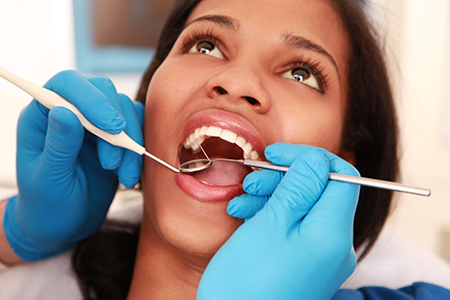
Consistent preventive care is the backbone of long-term oral health. Regular checkups allow us to remove plaque and tartar in areas difficult to reach with home care alone and to identify developing problems when they are most manageable. Professional cleanings refresh the mouth, reduce inflammation, and help prevent cavities and gum disease from progressing.
During cleaning appointments our hygienist will remove hardened deposits from teeth and polish surfaces to remove minor staining. These visits are also an opportunity for targeted education — we’ll show techniques for brushing, flossing, and interdental cleaning that fit your unique dental anatomy and daily routine. Small adjustments in technique often have a big impact over time.
For children, routine exams build habits and let us monitor dental and jaw development as they grow. For adults, they offer a chance to reassess risk factors that change with age or health status. In all cases, the goal is the same: prevent disease, preserve natural teeth, and maintain a comfortable, functional smile.
We typically recommend regular checkups at intervals tailored to each patient’s needs. Depending on your health, risk level, and treatment history, that schedule might differ; we’ll propose a frequency that best supports reliable monitoring and prevention.

While a careful visual exam is essential, diagnostic imaging reveals structures beneath the surface. Dental radiographs let us see tooth roots, supporting bone, developing teeth, and areas between teeth where decay can start. When images are combined with the clinical exam, we are better able to diagnose issues early and plan appropriate care.
Advances in digital radiography have made imaging faster and more efficient. Digital sensors capture high-quality images with minimal radiation exposure, and those images can be reviewed immediately, stored securely in your chart, and shared with other specialists if coordination of care is needed. The ability to compare new images with prior records helps us track progression or healing over time.
For complex planning — such as implant placement or evaluation of impacted teeth — three-dimensional imaging (CBCT) can provide detailed anatomical information. We reserve these tools for situations where precise visualization improves safety and outcomes; your provider will explain the reasoning for any advanced imaging we recommend.
Different imaging techniques serve different purposes. Bitewing images are useful for detecting early decay between back teeth; periapical films show the entire tooth and root, helping diagnose root infections or bone loss; a panoramic film offers a broad overview of the jaws and teeth, useful for assessing development and overall jaw health. Knowing the right image to use makes diagnosis more accurate and treatment more predictable.
When a full mouth series is indicated, the set combines bitewing and periapical views to give a comprehensive picture of all teeth. Cephalometric films provide a profile view of the facial bones and are commonly used in orthodontic assessment. Each modality has strengths and is selected based on clinical need rather than routine use.
We balance the diagnostic value of each image with the principle of minimizing exposure, so images are taken only when they will meaningfully contribute to diagnosis or treatment planning. If imaging is recommended, we will discuss the type of image, the reason it’s needed, and what we expect to learn from it.
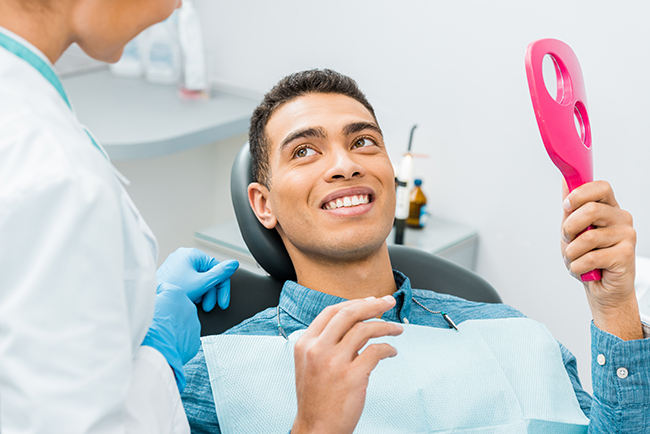
At our practice, every oral exam is designed to be thorough, efficient, and informative. Our goal is to identify issues early, protect your natural teeth, and provide clear guidance so you leave your appointment with confidence about the next steps. If you have questions about what to expect during an exam or wish to learn more about our approach, please contact us for more information.
During a comprehensive oral exam the clinician performs a systematic review of your teeth, gums and soft tissues to form an overall picture of oral health. The visit begins with a review of your medical and dental history and a discussion of any symptoms or concerns to focus the exam. Hands-on inspection assesses tooth integrity, gum condition, jaw function and any visible lesions.
The exam commonly includes a periodontal evaluation and an oral cancer screening to detect early signs of disease that may not be obvious to the untrained eye. When indicated, targeted diagnostic imaging supplements the clinical findings to reveal issues beneath the surface. All findings are explained in plain language and used to develop a clear plan for prevention or treatment.
For an initial visit bring a list of current medications, recent medical history and notes about prior dental treatments so the clinician understands any factors that influence care. Be prepared to describe symptoms such as sensitivity, soreness, dry mouth or habits like grinding because these details guide a more focused evaluation. If you have previous X-rays or dental records you may arrange to have them transferred to the office to aid comparison.
Brush and floss before your appointment to help the clinician see your baseline condition, and avoid heavy tobacco or alcohol use immediately beforehand when possible. Be ready to discuss daily hygiene, diet and lifestyle factors that affect oral health so the team can tailor prevention strategies. The staff will also confirm appointment details and answer practical questions about follow-up care.
The ideal frequency of oral exams is personalized based on your risk profile, past dental history and overall health rather than a one-size-fits-all interval. Many patients benefit from checkups every six months, while those with active gum disease, high decay risk or significant medical conditions may need more frequent monitoring. Your dentist will recommend an interval that balances timely detection with avoiding unnecessary visits.
Regular exams make it possible to identify problems at an early, more treatable stage and to adjust preventive strategies as health or habits change. When a change in risk is identified the team will shorten or lengthen recall intervals to support long-term oral health. A consistent, personalized schedule helps preserve natural teeth and maintain comfortable function.
Dental radiographs reveal structures that cannot be seen during a visual exam, including tooth roots, bone levels and early decay between teeth. Bitewing, periapical and panoramic images each serve specific diagnostic purposes and are selected according to the clinical question. Digital sensors capture high-quality images quickly and with minimal radiation exposure.
Three-dimensional imaging such as CBCT is reserved for complex cases where precise anatomy improves safety and outcomes, for example in implant planning or assessment of impacted teeth. The practice follows radiation-minimization principles and orders images only when they will meaningfully influence diagnosis or treatment. When imaging is recommended the clinician will explain the type and purpose so you understand the expected benefit.
An oral cancer screening is a routine and essential component of a comprehensive exam that focuses on identifying persistent sores, patches, lumps or other tissue changes. Clinicians examine the lips, tongue, floor of mouth, cheeks, throat and neck for abnormalities and assess any suspicious areas for further evaluation. Early detection significantly improves treatment options and outcomes.
If a suspicious lesion is found the examiner may recommend monitoring, imaging or referral for biopsy and medical follow-up as clinically appropriate. The team also reviews risk factors such as tobacco and alcohol use and educates patients on warning signs to watch for at home. Regular professional screenings are important because early lesions are often painless and easily missed without a trained exam.
A periodontal assessment measures the health of gums and supporting bone by checking for inflammation, pocket depths and attachment loss around each tooth. The clinician records measurements, checks for bleeding on probing, assesses mobility and notes any recession or bone changes. These findings determine whether preventive scaling, more frequent maintenance or periodontal therapy is indicated.
Evaluation of periodontal health also includes a discussion of oral hygiene habits and systemic factors that influence gum disease, such as diabetes or medication side effects. Early intervention can often halt progression and preserve teeth and bone. The goal is to develop a maintenance plan tailored to your periodontal status and long-term needs.
During an exam clinicians observe how your upper and lower teeth come together and watch jaw movements for clicking, popping, limitations or pain. They inspect wear patterns on teeth and palpate the temporomandibular joints and surrounding muscles to identify tenderness or dysfunction. These observations help determine whether grinding, clenching or developmental factors are affecting bite and comfort.
When TMJ concerns are present the dentist typically recommends conservative, evidence-based interventions such as occlusal adjustments, a custom night guard or referral for physical therapy or specialty care. Early recognition of jaw dysfunction can prevent progressive tooth wear and persistent pain. Exam findings guide safe recommendations aimed at improving function and minimizing long-term damage.
Clinicians review lifestyle and systemic factors that influence dental disease, including diet, oral hygiene routines, tobacco or alcohol use and medication-induced dry mouth. They also consider medical conditions such as diabetes and other systemic issues that increase susceptibility to infection or slow healing. A comprehensive risk assessment identifies areas where targeted prevention will reduce future problems.
Using that profile the team builds personalized home-care and professional follow-up recommendations to lower your risk of decay, gum disease and oral cancer. Monitoring risk over time allows the dentist to adjust strategies as circumstances change. This proactive approach supports the long-term preservation of natural teeth and overall well-being.
After the exam your dentist will summarize findings in clear, patient-centered language and outline recommended next steps so you understand priorities for care. Recommendations can range from improved daily hygiene and scheduling a professional cleaning to monitoring a spot or planning specific treatment for identified issues. The clinician will explain the rationale for each option to help you make informed choices.
The office of Premier Dentistry emphasizes prevention and will propose a follow-up schedule that aligns with your risk level and treatment needs. If coordination with a physician or dental specialist is necessary the team will facilitate communication to ensure comprehensive care. You should leave the visit with a clear plan and an understanding of the actions that best protect your smile.
For children exams place special emphasis on growth and development, eruption patterns and early detection of cavities or orthodontic concerns. The clinician evaluates jaw development, habits such as thumb-sucking, and provides age-appropriate guidance on preventive measures like sealants and fluoride where indicated. Positive, routine visits help establish good habits and reduce anxiety about dental care as children grow.
Adult exams generally focus more on periodontal health, wear patterns, systemic health interactions and screening for oral cancer and other age-related changes. Preventive and treatment strategies are adapted to each life stage, medical history and evolving risk factors. At Premier Dentistry the team tailors each visit so patients of all ages receive care that supports long-term function and comfort.