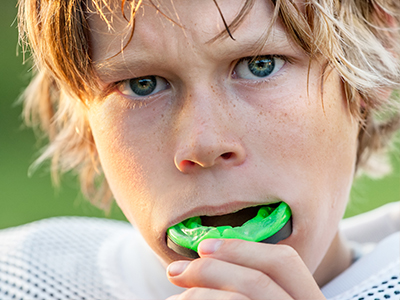
Sports-related impacts can cause a surprising range of injuries, from chipped or knocked-out teeth to lacerations of the lips, cheeks and tongue, and even jaw or facial bone trauma. For patients of all ages, the simplest step in preventing many of these outcomes is consistent use of a properly fitted mouthguard. By cushioning blows and distributing force across the dental arch, mouthguards reduce both the likelihood and the severity of oral and facial injuries during practices and games.
Beyond emergency prevention, wearing a mouthguard can also protect longer-term oral health. A severe dental injury can lead to root damage, infections, or the need for complex restorative care that disrupts eating, speech, and daily life. For young athletes, protecting primary and developing permanent teeth helps avoid growth complications and orthodontic setbacks. In short, a well-chosen mouthguard is a small investment in minimizing major, avoidable dental consequences.
Compliance is key: a mouthguard only works if it’s comfortable enough to wear consistently. That’s why fit and retention matter as much as material. Patients who understand the types of protection available and work with their dental team to select the best option are far more likely to keep their mouthguards in during play — and to keep their smiles intact.
There are three common categories of sports mouthguards: ready-to-wear (stock), boil-and-bite, and custom-made devices crafted by a dental professional. Stock mouthguards are preformed and inexpensive, but they often fit poorly and can interfere with breathing or speaking. Boil-and-bite guards offer a better fit by allowing the athlete to mold material to their teeth after softening it in hot water; they provide improved comfort and retention compared with stock models but still have limitations in durability and precision.
Custom mouthguards are fabricated from impressions taken by a dentist and are tailored to the unique contours of a patient’s mouth. Because they are designed to fit precisely, custom guards generally provide superior comfort, stability and protection while allowing for easier breathing and clearer speech. For athletes who wear braces or other orthodontic appliances, custom options can be further modified to accommodate those needs safely.
Choosing between these types depends on a patient’s level of activity, comfort requirements, and any special dental conditions. For casual play, a well-fitted boil-and-bite guard may suffice. For competitive athletes, contact sports, or anyone with orthodontic work, a custom guard made by a dental professional typically delivers the best combination of protection and compliance.
A custom mouthguard begins with a brief clinical assessment so the dental team can identify dental restorations, orthodontic appliances or unique bite patterns that affect fit. An impression or digital scan of the teeth is then taken; digital scanning is increasingly popular because it streamlines the process and improves accuracy. The lab uses this dental model to fabricate a guard that matches the patient’s bite, tooth positions and soft tissue contours.
The fabrication materials vary by intended use: some guards are designed for maximal shock absorption, others prioritize thinness for easier breathing and speaking, and multilayer constructions can combine both qualities. When the guard is ready, the patient returns for a fitting appointment where the dentist checks retention, occlusion (how the teeth meet), and comfort. Adjustments are made chairside to ensure the device stays in place without interfering with normal jaw movement.
Patients with braces or other orthodontic appliances require special consideration. A custom guard can be designed to cover brackets while allowing appropriate tooth movement, or a specific orthodontic mouthguard can be provided to protect both the hardware and the teeth beneath it. This individualized approach preserves orthodontic progress while keeping athletes safe during sports activities.
Proper maintenance extends the life of a mouthguard and ensures it remains hygienic. Rinse the device with cool water after each use, brush it gently with a toothbrush (no toothpaste, which can be abrasive), and store it in a ventilated case to prevent bacterial growth. Avoid exposing the guard to high heat — such as hot water, direct sunlight, or a car dashboard — because heat can warp the shape and compromise fit.
Regular inspection is important: look for thinning areas, tears or changes in fit that could reduce protective ability. Children and adolescents often outgrow mouthguards as their mouths develop; for those patients, the guard may need replacement more frequently. Even for adults, a mouthguard that no longer seats properly or feels uncomfortable should be evaluated and, if necessary, replaced to maintain protection.
Bring your mouthguard to dental appointments so your dentist can assess its condition. Professional cleaning options are available for patients seeking periodic deeper sanitation. By treating the mouthguard as part of routine oral hygiene, patients can minimize odors, bacterial buildup, and premature wear while preserving consistent protection during sport.
Different sports and positions carry varying levels of risk. Full-contact sports such as football, hockey, lacrosse and certain martial arts generally demand the highest level of dental protection, while non-contact activities may allow for less bulky designs. It’s important to match the guard’s design to the demands of the sport: a goalie, for example, may prioritize thicker impact absorption, while a basketball player may prefer a thinner, low-profile device for better breathing and communication.
Age, medical considerations and personal comfort should guide the selection process. Youth athletes benefit from guards that balance protection with room for growth; older players with restorations or partial dentures need a solution that respects existing dental work. Speak openly with your dental team about past injuries, appliance use (such as night guards or TMJ considerations), and any functional concerns so the final choice aligns with performance and safety goals.
Ultimately, the best guard is one that a patient will wear consistently. Involving athletes in the decision and explaining the benefits and care routine promotes adherence. For patients who compete or practice regularly, a custom-fabricated guard paired with a clear maintenance plan offers the best assurance that their oral health will remain protected through every season.
As a trusted local dental practice, Premier Dentistry is committed to helping patients protect their smiles during athletic activity through informed recommendations and personalized care. If you’d like to learn more about mouthguard options or schedule an evaluation to determine the best solution for you or your child, please contact us for more information.
Sports mouthguards protect more than just teeth; they cushion impacts to the lips, cheeks and tongue while dispersing force across the dental arch to reduce the risk of fractured or avulsed teeth. They also help minimize soft tissue lacerations and can lower the likelihood of jaw or facial bone trauma during contact or collision events. Consistent use of a properly fitted guard is one of the most effective preventive measures available to athletes at every level.
Beyond immediate injury prevention, mouthguards reduce the chance of long-term dental complications such as root damage, infections or complex restorative needs that can disrupt eating and speech. For growing athletes, protecting primary and developing permanent teeth helps maintain proper dental development and avoids orthodontic setbacks. Prioritizing a comfortable, well-fitting guard increases the likelihood that a patient will wear it reliably during practices and games.
There are three general categories of mouthguards: stock (ready-to-wear), boil-and-bite, and custom-made devices. Stock guards are inexpensive and preformed but often fit poorly and can interfere with breathing or speech, while boil-and-bite guards improve fit by allowing limited molding after heating, offering better retention than stock models. Custom guards are fabricated from impressions or digital scans and are tailored to the individual’s mouth, providing the best combination of comfort, stability and protection.
The choice among these types depends on activity level, comfort needs and any dental considerations such as restorations or orthodontic appliances. Competitive athletes and those in full-contact sports typically benefit most from custom devices because of their superior fit and shock-absorption properties. Casual participants may find a well-fitted boil-and-bite guard acceptable when a custom option is not available.
Custom mouthguards generally offer better fit, retention and comfort than stock or boil-and-bite alternatives because they are made from an accurate model of the patient’s teeth and bite. This precision reduces movement during play, improves breathing and speech, and often increases compliance, which is crucial since protection only works when the device is worn consistently. For athletes in contact sports or those who wear orthodontic appliances, the additional protection and tailored design of a custom guard are frequently worth the investment in long-term oral health.
That said, a properly fitted boil-and-bite guard can be an adequate interim solution for casual or recreational play when a custom option is not practical. The key factors are fit and comfort: any mouthguard that causes gagging, restricted breathing or frequent removal will lower protection. Discussing activity level and dental needs with a dental professional will help determine which option best balances protection, comfort and long-term oral health.
A custom mouthguard visit typically begins with a concise clinical assessment to identify crowns, bridges, orthodontic appliances or bite patterns that could affect fit. The dentist then takes an impression or a digital scan of the teeth to create an accurate model; digital scans are increasingly common because they improve comfort and laboratory precision. The lab fabricates the guard from materials selected for the intended balance of shock absorption and thinness, and the patient returns for a fitting when the device is ready.
During the fitting the clinician evaluates retention, occlusion and jaw movement and makes any necessary chairside adjustments to ensure the guard seats properly without interfering with normal function. For athletes with special needs—such as those wearing braces or having recent restorations—the guard can be modified to protect existing work while allowing necessary tooth movement. At Premier Dentistry we emphasize clear instructions for use and care so patients understand how to maintain fit and hygiene between appointments.
Yes, mouthguards can be designed specifically to work with braces and other orthodontic appliances, but they require special consideration to avoid disrupting treatment. Orthodontic mouthguards are typically thicker and shaped to cover brackets while allowing appropriate tooth movement, and custom solutions can be fabricated to protect both the hardware and the underlying teeth. Using a guard that does not accommodate appliances can cause discomfort, poor retention or unintended pressure on brackets and wires.
A dental professional will evaluate the orthodontic situation and recommend a suitable design—either an appliance-specific custom guard or an orthodontic mouthguard that provides space for tooth movement. Regular monitoring is important because changes in alignment can alter fit as treatment progresses. Patients should bring their mouthguard to orthodontic or dental appointments so the clinician can assess fit and make adjustments if necessary.
Proper cleaning and storage preserve a mouthguard’s protective properties and reduce bacterial buildup. Rinse the device with cool water after each use, brush it gently with a soft toothbrush (avoid abrasive toothpaste), and store it in a ventilated case to allow drying and prevent microbial growth. Never leave a mouthguard exposed to direct sunlight, high heat or hot water, all of which can warp the material and compromise fit.
Inspect the guard regularly for thinning, tears or changes in fit, and replace it if damage or deformation is evident. Periodic professional cleaning can be arranged if deeper sanitation is desired. Treating the mouthguard as part of routine oral hygiene helps minimize odors and prolongs effective protection during athletic activity.
The replacement interval for a mouthguard depends on material, wear patterns and changes in the wearer’s dentition. Children and adolescents should have their guards evaluated more frequently because growth and tooth eruption can quickly alter fit, while adult athletes may only need replacement when the device shows signs of wear or no longer seats properly. Regular inspection after use helps identify thinning areas, tears or warping that signal a need for replacement.
If an athlete experiences persistent discomfort, difficulty breathing or looseness in the guard, they should stop using it and seek a dental assessment. Bringing the guard to dental visits allows the clinician to evaluate condition and recommend timely replacement. Maintaining a properly fitting device is essential to ensure consistent protection during practices and competition.
Sport type and playing position influence the ideal mouthguard features because different activities present distinct impact risks and performance demands. Full-contact sports such as football, hockey and lacrosse generally call for guards with thicker impact-absorbing layers, while players in non-contact or communication-heavy roles may prioritize thinner, low-profile designs that facilitate speech and breathing. Position-specific needs—such as a goalkeeper’s requirement for greater frontal protection—should inform the design choices.
Other considerations include compatibility with breathing demands, ability to wear protective headgear, and any existing dental restorations or appliances. Discussing the sport, position and individual medical or dental conditions with a dental professional ensures the guard selected provides the best balance of protection, comfort and functionality. An informed choice increases the likelihood of consistent wear and reliable injury prevention.
Yes, users should be mindful of hygiene, fit and material safety to ensure a mouthguard remains effective and safe to use. Poorly cleaned guards can harbor bacteria or fungi, and a warped or damaged guard can fail to protect against impact or even create choking risks if it becomes loose. Patients with allergies to certain polymers should inform their dental team so biocompatible materials can be selected.
People with a history of jaw disorders such as TMJ pain should discuss guard design with their clinician because some devices can alter occlusion or jaw position if not properly fabricated. Regular dental follow-up allows monitoring of fit and function, and any new pain, persistent looseness or breathing difficulty with a guard should prompt immediate evaluation. Prioritizing hygiene and professional oversight keeps the device both safe and effective.
To schedule an evaluation, call Premier Dentistry at (347) 768-8225 or request an appointment online; the dental team will review your sport, position and dental history to recommend the most appropriate type of guard. During the initial visit the clinician will perform a brief oral exam, discuss material and design options based on activity level and any dental appliances, and determine whether an impression or digital scan is the best approach for fabrication. This consultative process ensures the final device meets both protective and functional needs.
If you are a parent arranging a guard for a child, bring any information about orthodontic treatment and recent dental work so the team can plan accordingly. The office’s scheduling staff can advise on turnaround times for custom fabrication and coordinate follow-up fittings. A tailored evaluation helps athletes of all ages maintain safety and confidence while participating in their chosen activities.